
Regenthill is a family-run recycling business with over 25 years of experience in the UK plastics sector. Operating from a dedicated reprocessing facility in Hampshire, the company is recognised for its focus on compliance, traceability, and long-term partnerships with commercial and industrial clients.

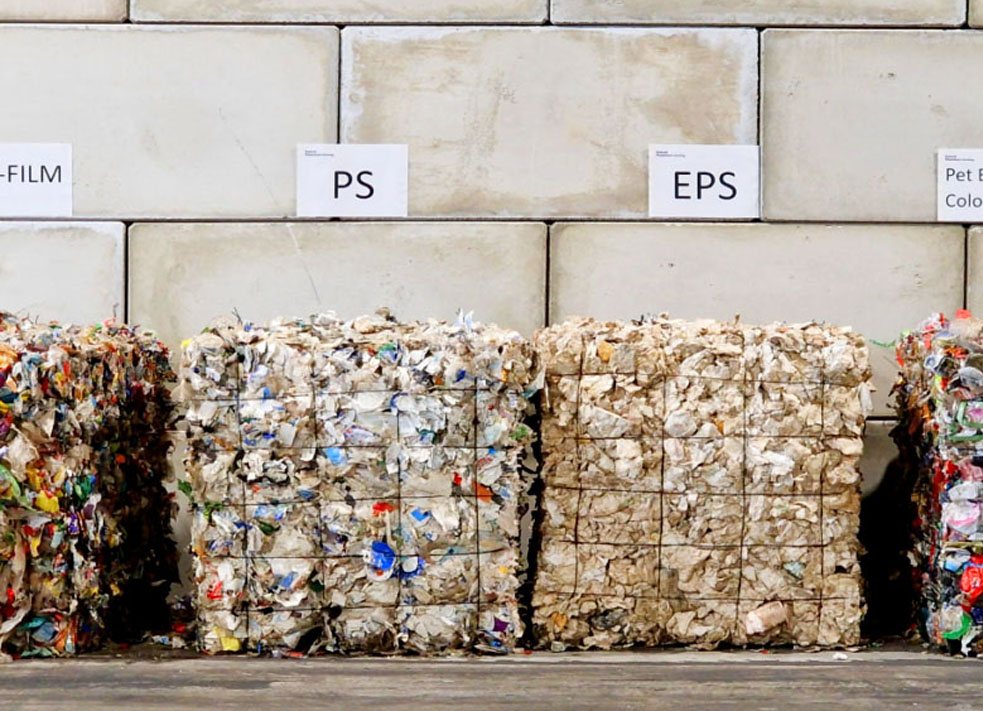
Regenthill specialises in the recycling of expanded polystyrene (EPS), with a clear operational focus: improving how material is collected, not just how it is processed. This reflects a key challenge identified across the sector – while EPS is fully recyclable, limited and inconsistent collection infrastructure continues to restrict recovery rates.
Rather than relying solely on inbound material, Regenthill has developed a collection-led model designed to capture EPS at source. This approach directly addresses one of the most significant barriers to increasing recycling rates in the UK.
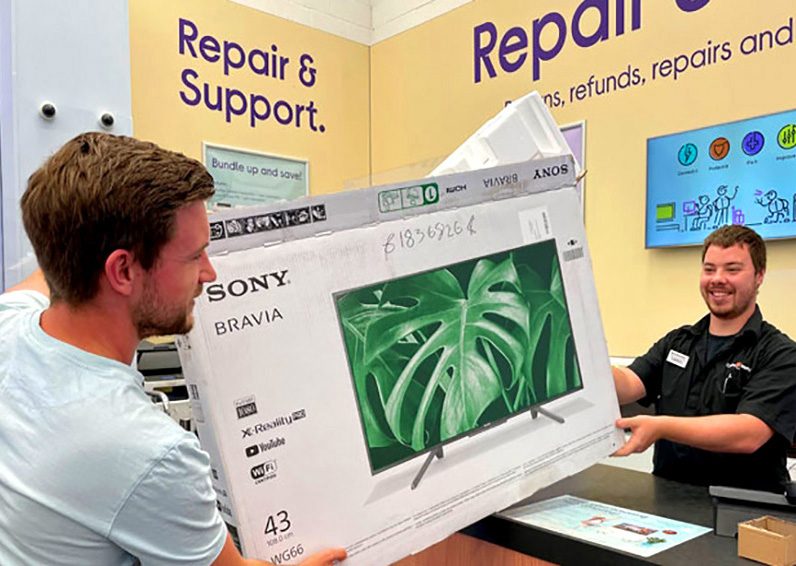
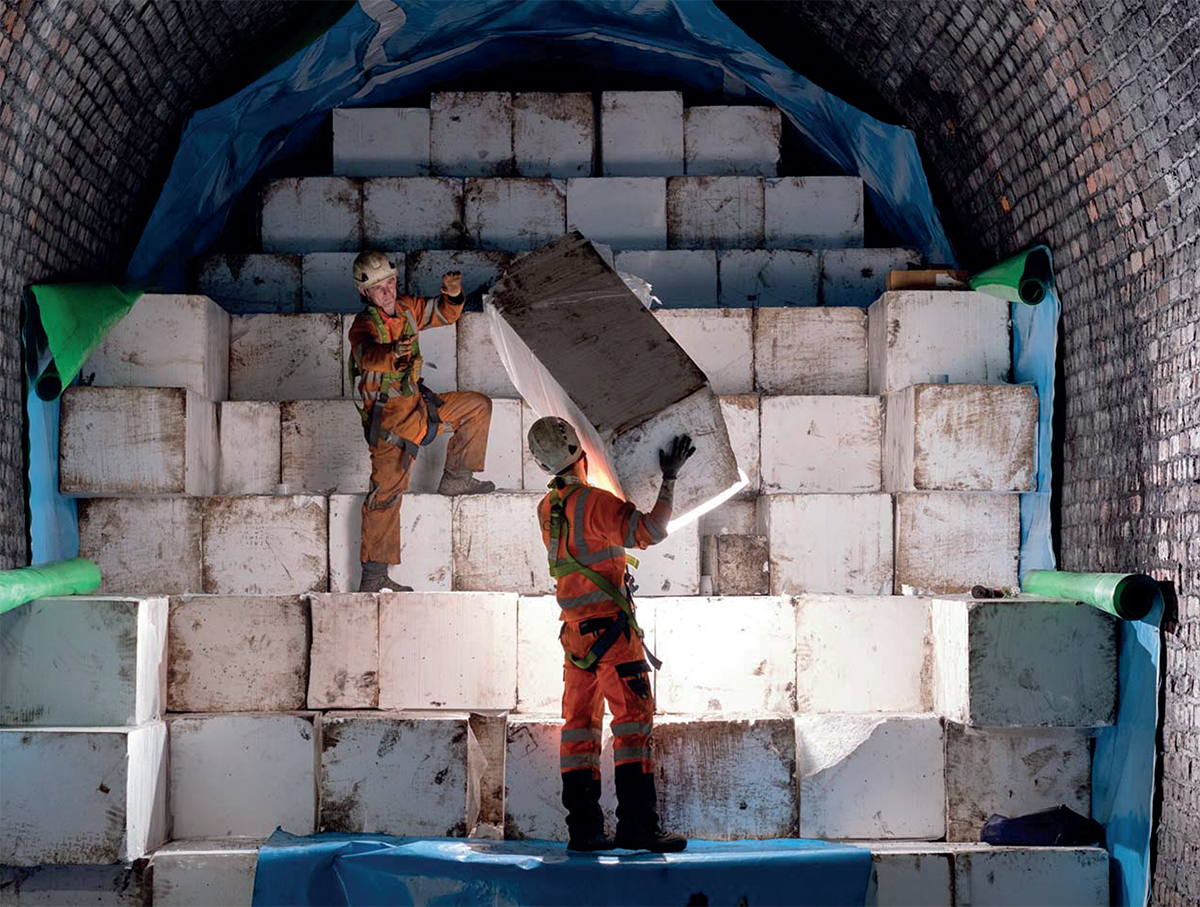
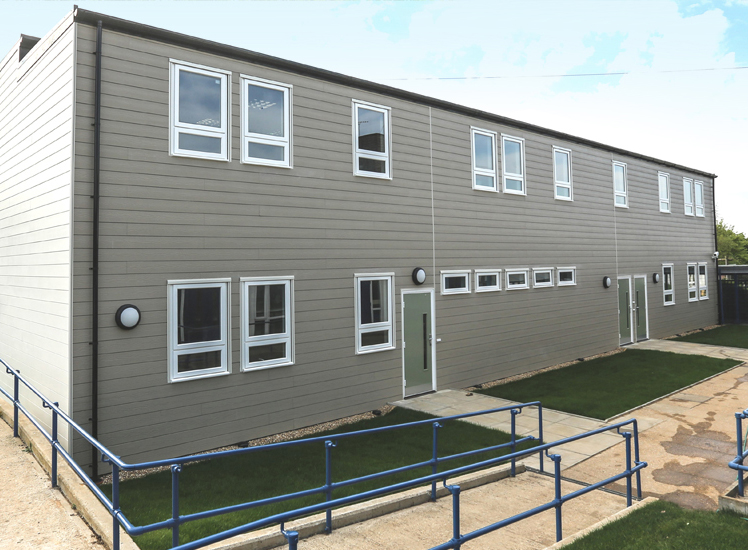
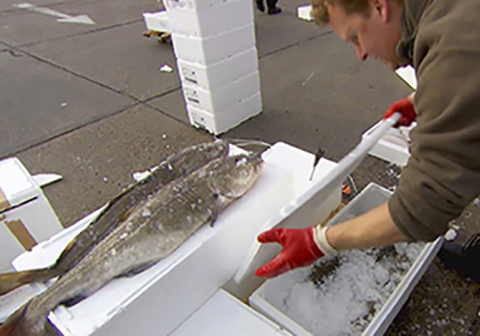
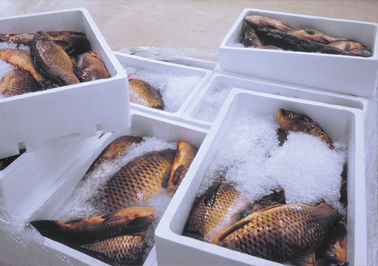
Regenthill collects EPS from high-volume, commercially driven waste streams where material arises consistently and at scale. These include:
By integrating EPS recovery into existing operational flows, Regenthill ensures material is captured at the point it becomes waste. This reduces reliance on fragmented disposal routes and aligns with industry-wide efforts to expand business-led collection systems and reverse logistics.

A core strength of Regenthill’s model is the integration of EPS collection into established logistics infrastructure.
Through backhauling and reverse logistics, EPS waste is collected using vehicles already operating within supply chains. This approach:
This model directly supports the EPS Roadmap’s emphasis on optimising collection systems and scaling commercially viable recycling solutions across the UK.
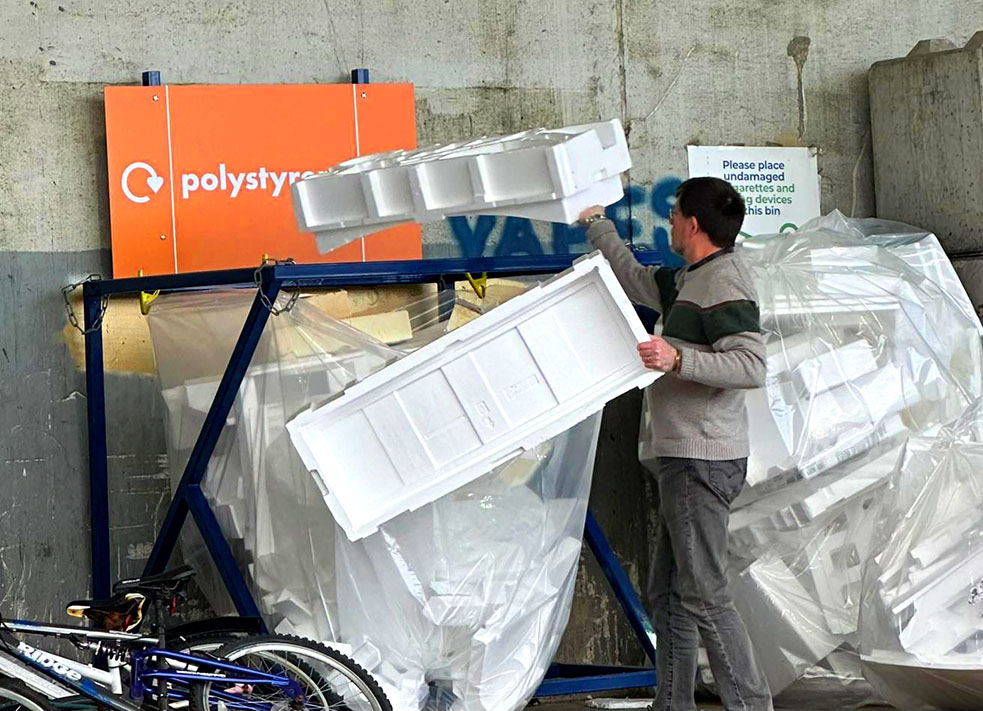
Regenthill designs tailored collection systems based on the specific requirements of each waste stream and client. These may include:
The objective is consistent: to make EPS recycling practical, efficient, and commercially viable at scale. This flexibility is critical in a market where collection methods are not standardised and infrastructure varies significantly across regions.
This collection-led approach has enabled Regenthill to achieve consistent year-on-year growth in EPS volumes processed. By focusing on infrastructure and partnerships, the business is actively increasing the amount of material diverted from landfill and energy recovery.
This aligns with broader industry priorities, where improving access to collection systems and investing in infrastructure are essential to increasing UK recycling rates and reducing reliance on export markets.
Demand for recycled EPS feedstock continues to grow, driven by applications across packaging, construction, and manufacturing. Regenthill is actively seeking additional material streams and is primed to support growing demand.
By transforming EPS from a disposal challenge into a viable resource, the company plays a practical role in advancing circularity. Its operations demonstrate that, when supported by effective collection systems, EPS can be recycled in practice and at scale – a key objective set out in the UK EPS Recycling Roadmap.

Regenthill’s experience highlights a critical point for the sector: improving recycling outcomes for EPS depends on solving collection, not just processing.
Through a clear focus on infrastructure, logistics integration, and commercial partnerships, the company provides a scalable model for increasing EPS recovery across the UK. This approach supports industry-wide ambitions to improve recycling rates, strengthen domestic capability, and move towards a more circular, resource-efficient system.




















 British Plastics Federation