

A less well known application of EPS can be found in the agricultural and horticultural spheres. Its use is of particular importance as our food systems come under increased strain. The need to adapt and innovate our approaches to growing crops is therefore highly relevant, and EPS can lend itself to:
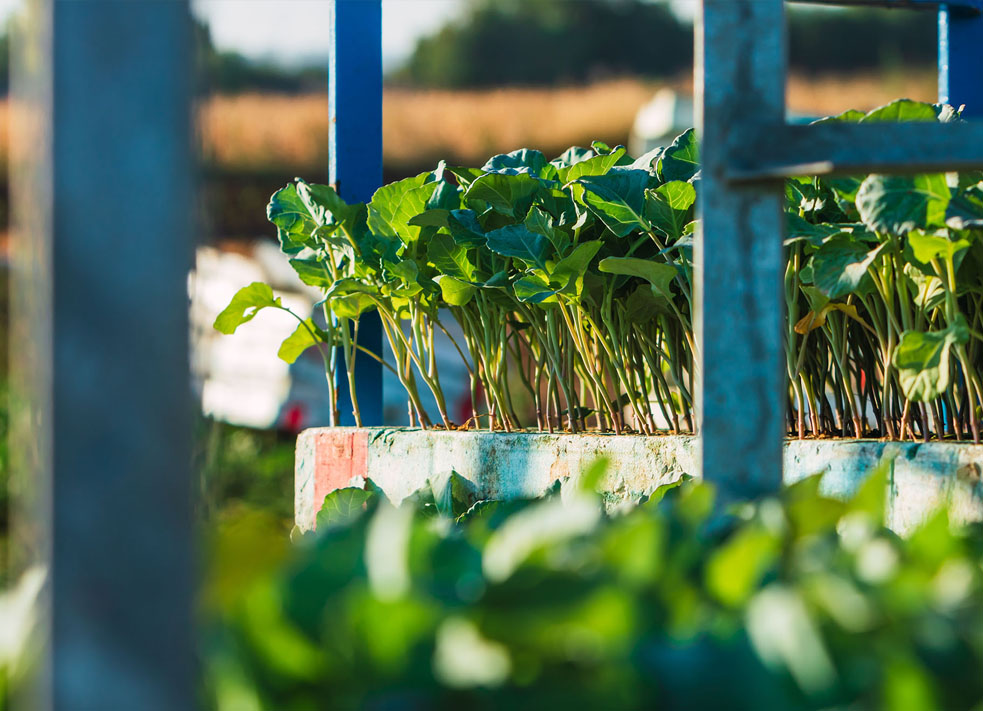
EPS is an ideal material for vertical farming methods, where crops are grown stacked on top of each other in a controlled indoor environment. Leafy greens and herbs are examples of widely consumed foods which can be grown in this way.
EPS seedling trays are vital to such techniques because they:
EPS can help promote healthy growth throughout the life of a crop. Through its durability and insulative properties, using it as a container for crops and soil prevents:
This means that crops have the potential to become more resilient and are less likely to be lost to these factors.
EPS has the potential to conserve valuable resources, contributing to greater resilience and sustainability throughout the supply chain. This is because it's an adaptable and lightweight material which:
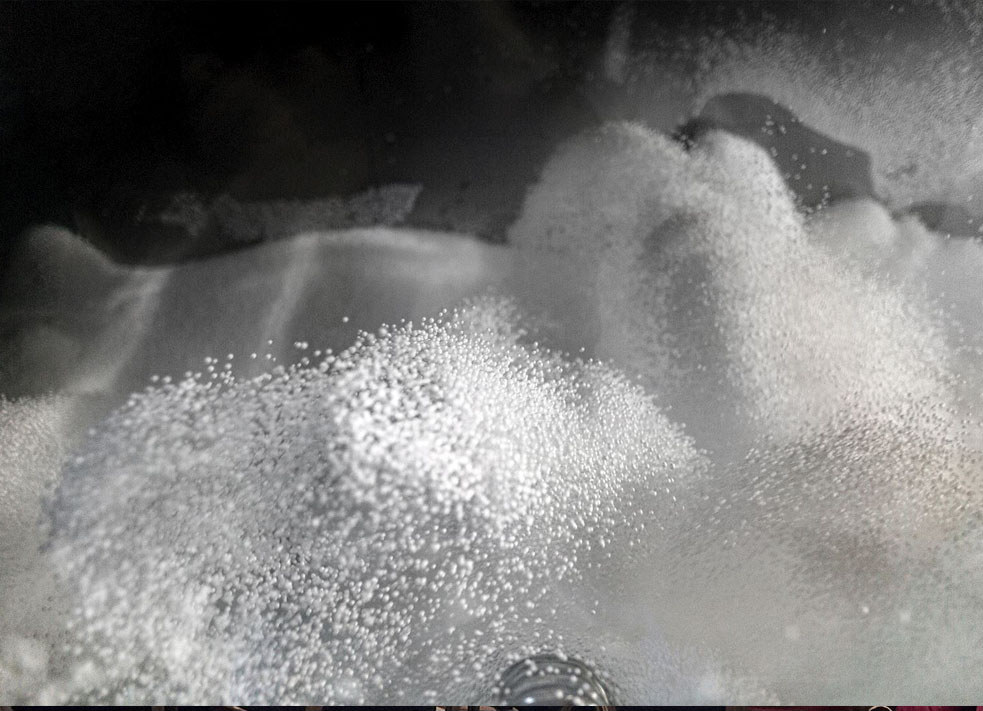
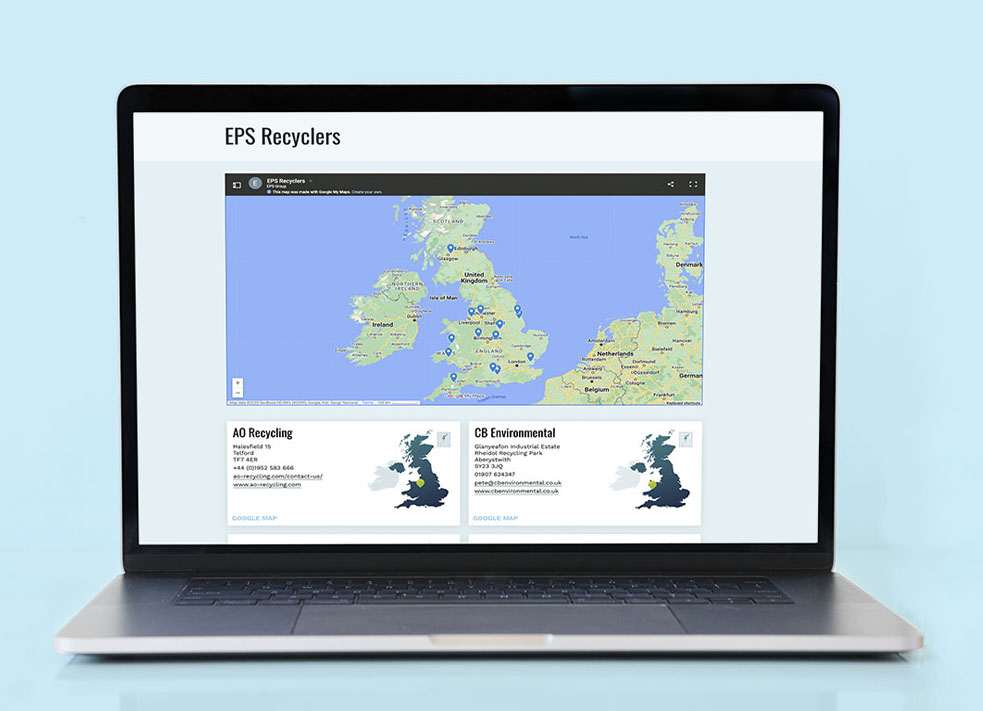
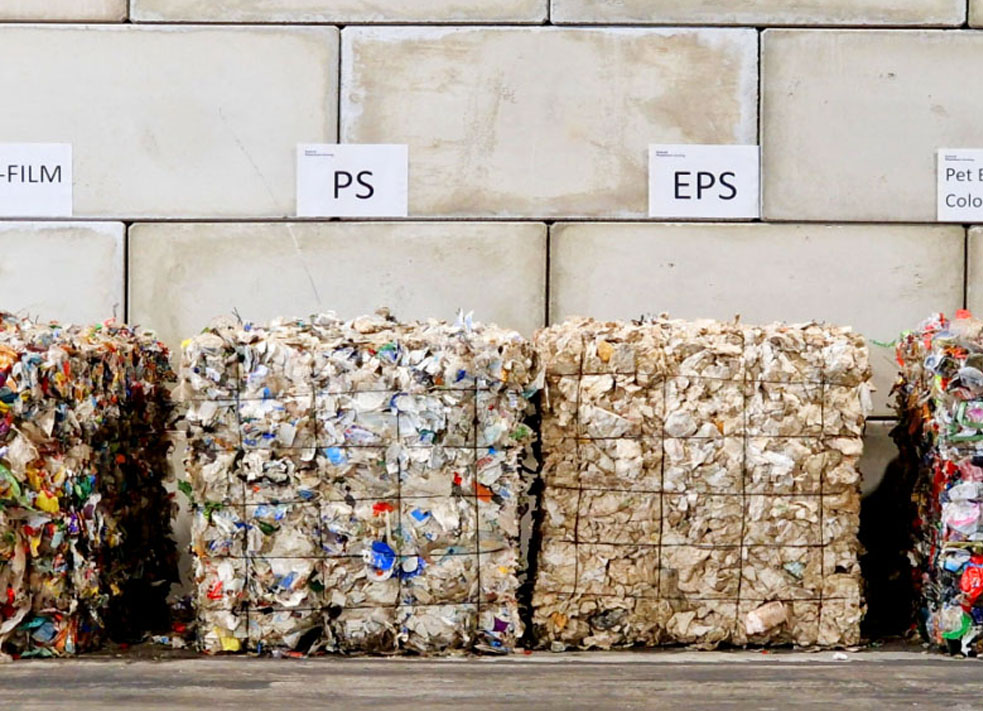
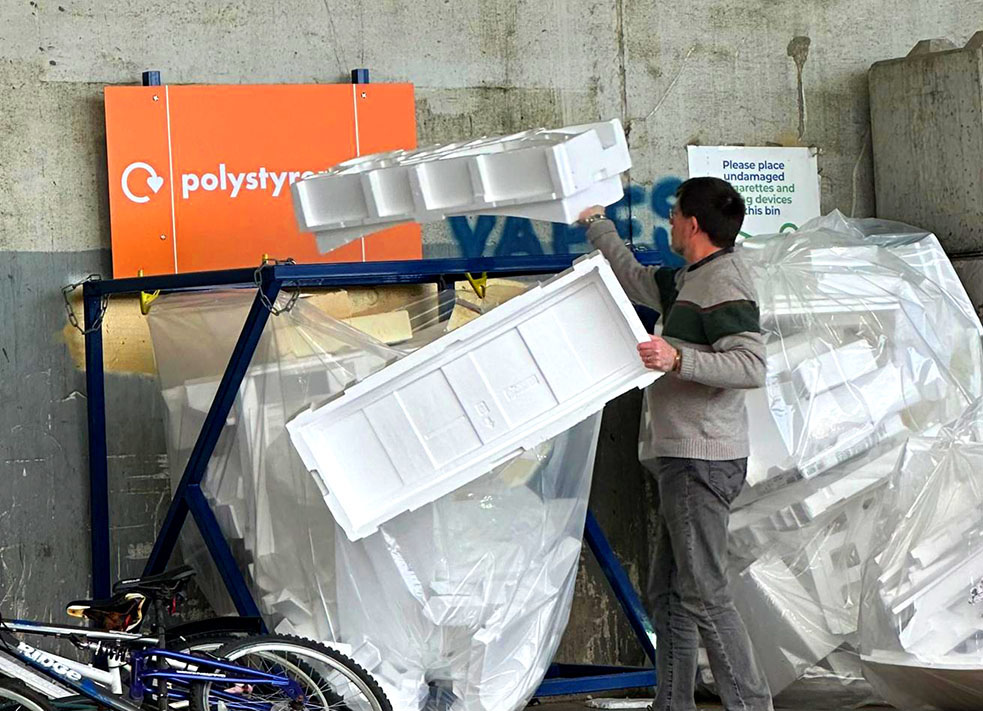
EPS is also 100% recyclable where collection systems exist. Those using it in agricultural settings can dispose of it sustainably at the end of its life, allowing the waste to be repurposed into new EPS. However, its structure and strength mean that it can be cleaned and re-used more than once in these contexts.





















 British Plastics Federation